Jewellery is more than just an accessory. It can be a part of your everyday style, a meaningful gift, a wedding essential, or even a long-term purchase. When choosing jewellery, one of the most common questions people have is: Gold or silver—which one is right for me?
Both gold and silver jewellery have their own advantages. Gold is traditionally associated with celebrations, weddings, luxury, and long-term value, while silver is known for its versatility, affordability, and contemporary appeal.
The right choice depends on your budget, lifestyle, personal style, occasion, maintenance preferences, and purpose of buying. In this guide, we will compare gold and silver jewellery to help you make a more informed decision.
Gold vs Silver Jewellery at a Glance
| Feature | Gold Jewellery | Silver Jewellery |
|---|---|---|
| Appearance | Warm, rich and luxurious | Bright, cool and elegant |
| Common Purity | 24K, 22K, 20K, 18K | Usually 925 sterling silver |
| Price | Generally higher | Generally more affordable |
| Durability | Depends on purity and alloy | Good, but softer than many gold alloys |
| Best For | Weddings, investment-oriented purchases, special occasions | Everyday fashion, gifting, casual and contemporary looks |
| Maintenance | Requires regular care | May tarnish and need polishing |
| Style | Traditional and modern | Modern, minimal and versatile |
| Resale | Generally established for gold | Usually lower than gold and depends on purity/design |
Understanding Gold Jewellery
Gold is one of the most popular precious metals used in jewellery. Its distinctive colour, cultural significance, durability, and perceived long-term value have made it a preferred choice for generations.
However, pure gold is relatively soft, so jewellery is commonly made by mixing gold with other metals. This is why you will see different karatages such as 24K, 22K, 20K, and 18K.
24K Gold
24K represents very high-purity gold and is generally too soft for many types of everyday jewellery. It is more commonly associated with bullion and certain traditional uses.
22K Gold
22K gold contains a high proportion of gold and is widely used for traditional Indian jewellery. It is particularly popular for bridal and wedding jewellery.
20K Gold
20K gold offers a balance between gold content and added alloy metals. It can be considered by buyers looking for an alternative between higher-purity traditional jewellery and harder lower-karat options.
18K Gold
18K gold contains 75% gold, with the remaining portion consisting of other metals. It is commonly used for contemporary jewellery and designs that require greater hardness.
When buying gold jewellery, always check the purity marking and applicable hallmarking information. In India, consumers should also pay attention to the BIS hallmark and HUID where applicable.
Understanding Silver Jewellery
Silver is another popular precious metal used in jewellery. Compared with gold, silver jewellery is generally more accessible in terms of purchase price, making it popular for everyday wear and gifting.
One of the most common forms is 925 sterling silver, which contains 92.5% silver, with the remainder typically made up of other metals to improve strength.
Silver’s bright, neutral appearance works well with different outfits and styles. It is especially popular for rings, chains, bracelets, earrings, pendants, and contemporary designs.
One thing to remember is that silver can naturally develop a darker or duller appearance over time due to tarnishing. Proper storage and regular cleaning can help maintain its appearance.
Gold vs Silver: Major Differences
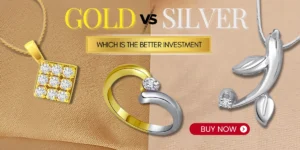
1. Price and Budget
One of the biggest differences between gold and silver is their price.
Gold jewellery generally requires a larger budget because gold has a significantly higher market value than silver. The final price of a gold jewellery item can also include making charges, taxes, stone costs, and other applicable charges.
Silver jewellery is generally more affordable, allowing buyers to explore multiple designs without spending as much.
Choose gold if: You are comfortable with a higher budget and want a precious-metal purchase with a stronger traditional value proposition.
Choose silver if: You want stylish jewellery at a comparatively lower purchase cost.
2. Appearance and Style
Gold has a warm and rich appearance that naturally stands out. Yellow gold is particularly associated with traditional Indian jewellery, festive occasions, and weddings.
Silver has a cooler, brighter appearance that can create a clean and contemporary look. It can work particularly well with casual, western, minimalist, and everyday outfits.
The choice ultimately comes down to your personal style.
3. Everyday Wear
Both metals can be used for everyday jewellery, but the suitability depends on the specific design and purity.
For gold, lower-karat alloys such as 18K can offer greater hardness than higher-purity gold. However, this does not mean every 18K item is automatically more suitable for every activity.
Silver jewellery can also be worn regularly, but it requires attention because it can tarnish over time.
If you wear jewellery every day, consider the design, thickness, construction, and your lifestyle—not just the metal.
4. Weddings and Special Occasions
Gold has a particularly strong place in Indian weddings and celebrations. Gold necklaces, bangles, earrings, rings, chains, and bridal sets are commonly associated with wedding traditions.
Silver can also be used for special occasions, especially for contemporary jewellery, accessories, gifting, and traditional items.
For someone looking for classic bridal jewellery, gold may fit naturally with the occasion. For lighter event jewellery or modern styling, silver can be an attractive option.
5. Investment and Resale Considerations
Gold and silver are both precious metals, but they should not automatically be treated as identical investments.
Gold jewellery generally has a more established resale and exchange ecosystem. However, when you purchase jewellery, the amount you pay may include making charges, taxes, design premiums, and stone costs. These may not be fully recovered when you sell or exchange the item.
Silver jewellery can also have precious-metal value, but jewellery resale values can vary considerably depending on purity, design, condition, and the buyer’s policies.
If your primary objective is investment rather than wearing jewellery, compare jewellery with other forms of precious-metal ownership and understand the costs involved.
6. Maintenance
Gold is relatively resistant to corrosion and does not tarnish in the same way as silver. However, gold jewellery can still accumulate dirt, scratches, and surface damage.
Silver is more prone to tarnishing. Exposure to air, moisture, cosmetics, perfumes, and certain chemicals can contribute to changes in its appearance.
Gold Care Tips
- Store jewellery separately to reduce scratches.
- Keep it away from harsh chemicals.
- Remove jewellery before activities that may cause physical damage.
- Clean it periodically using an appropriate jewellery-cleaning method.
- Get valuable pieces professionally inspected when necessary.
Silver Care Tips
- Store silver in a dry, preferably airtight environment.
- Avoid prolonged contact with moisture.
- Keep it away from perfumes and harsh chemicals.
- Use a suitable silver-polishing cloth when required.
- Clean and dry the jewellery before storing it.
7. Gifting
Both gold and silver can make meaningful gifts.
Gold jewellery can be suitable for significant milestones such as weddings, anniversaries, major family celebrations, and other important occasions.
Silver can be a practical choice for birthdays, festivals, achievements, casual gifts, and occasions where you want to give a precious-metal item while keeping the budget comparatively lower.
The best gift depends on the recipient’s taste, the occasion, and your budget.
Gold or Silver: Which Is Better for Different Situations?
Instead of asking which metal is universally better, consider what you need.
For Bridal Jewellery
Gold is traditionally preferred for bridal jewellery in India because of its cultural significance, appearance, and variety of traditional designs.
For Everyday Minimal Jewellery
Silver can be an excellent option for minimalist rings, chains, bracelets, and other lightweight styles. Gold can also work well if you prefer a warmer look or want a higher-value piece.
For a Special Family Occasion
Gold is often chosen for important family occasions because of its traditional significance and long-standing association with celebrations.
For Affordable Fashion Jewellery
Silver generally offers more flexibility when your primary goal is to experiment with designs while maintaining a comparatively lower precious-metal cost.
For Long-Term Jewellery Ownership
Gold may appeal to buyers who want jewellery that combines personal use with precious-metal value. However, always consider making charges, purity, resale terms, and the specific product before purchasing.
How to Choose Between Gold and Silver
Before making your purchase, ask yourself these questions:
1. What is my budget?
Set your budget before visiting a jewellery store. Remember that the final bill can include more than just the metal price.
2. How often will I wear it?
If the jewellery is for daily use, consider durability, design, comfort, and maintenance requirements.
3. What style do I prefer?
Do you prefer the traditional warmth of gold or the clean appearance of silver? Your wardrobe and existing jewellery collection can help you decide.
4. What is the occasion?
A bridal necklace may require different considerations from a daily-wear ring or casual bracelet.
5. Am I buying for personal use or value?
If you are primarily buying jewellery for its beauty and emotional significance, design and comfort may be more important. If value retention matters to you, pay closer attention to purity, charges, documentation, and resale or exchange policies.
6. What purity am I buying?
Never assume that all gold or silver jewellery has the same purity. Check the relevant purity marking and certification information.
Important Things to Check Before Buying
Whether you choose gold or silver, buying from a reliable jeweller is important.
Check Purity
For gold, understand whether the piece is 22K, 20K, 18K, or another purity. For silver, check whether it is sterling silver or another grade.
Check Hallmarking
For applicable gold jewellery in India, look for the appropriate BIS hallmark and HUID information. For silver products, check the relevant hallmarking or purity information where applicable.
Ask for a Detailed Bill
Your invoice should clearly explain the product details and applicable charges. For gold jewellery, ask about:
- Gold purity
- Net weight
- Gross weight
- Making charges
- Stone weight, if applicable
- Stone charges
- Applicable taxes
- Total price
- Exchange or buyback terms
Understand Exchange and Buyback Policies
Before buying, ask the jeweller how they handle future exchanges or buybacks. Policies can vary between businesses and products.
Compare Designs, Not Just Prices
Two jewellery pieces with the same metal purity may have different prices because of design complexity, making charges, gemstones, branding, and other factors.
Gold and Silver Can Both Have a Place in Your Jewellery Collection
You do not necessarily have to choose only one.
A jewellery collection can include both gold and silver depending on the occasion. You might choose gold for wedding jewellery, family celebrations, and special pieces, while using silver for everyday accessories, contemporary designs, and casual outfits.
For many buyers, the decision is less about Gold vs Silver and more about which metal suits a particular purpose.
Final Thoughts
Gold and silver jewellery each offer unique benefits. Gold provides a warm, traditional appearance and is deeply connected with celebrations and jewellery traditions in India. Silver offers a bright, versatile look and is generally more accessible for buyers working with a smaller jewellery budget.
There is no single choice that is right for everyone. Consider your budget, purpose, style, occasion, purity, maintenance requirements, and long-term plans before making your purchase.
Most importantly, buy jewellery from a trustworthy jeweller, verify purity and hallmarking information where applicable, understand the complete price, and keep your purchase invoice safely.
Whether you choose the timeless appeal of gold or the elegant versatility of silver, the right jewellery is ultimately the piece that fits your style, your occasion, and your needs.